
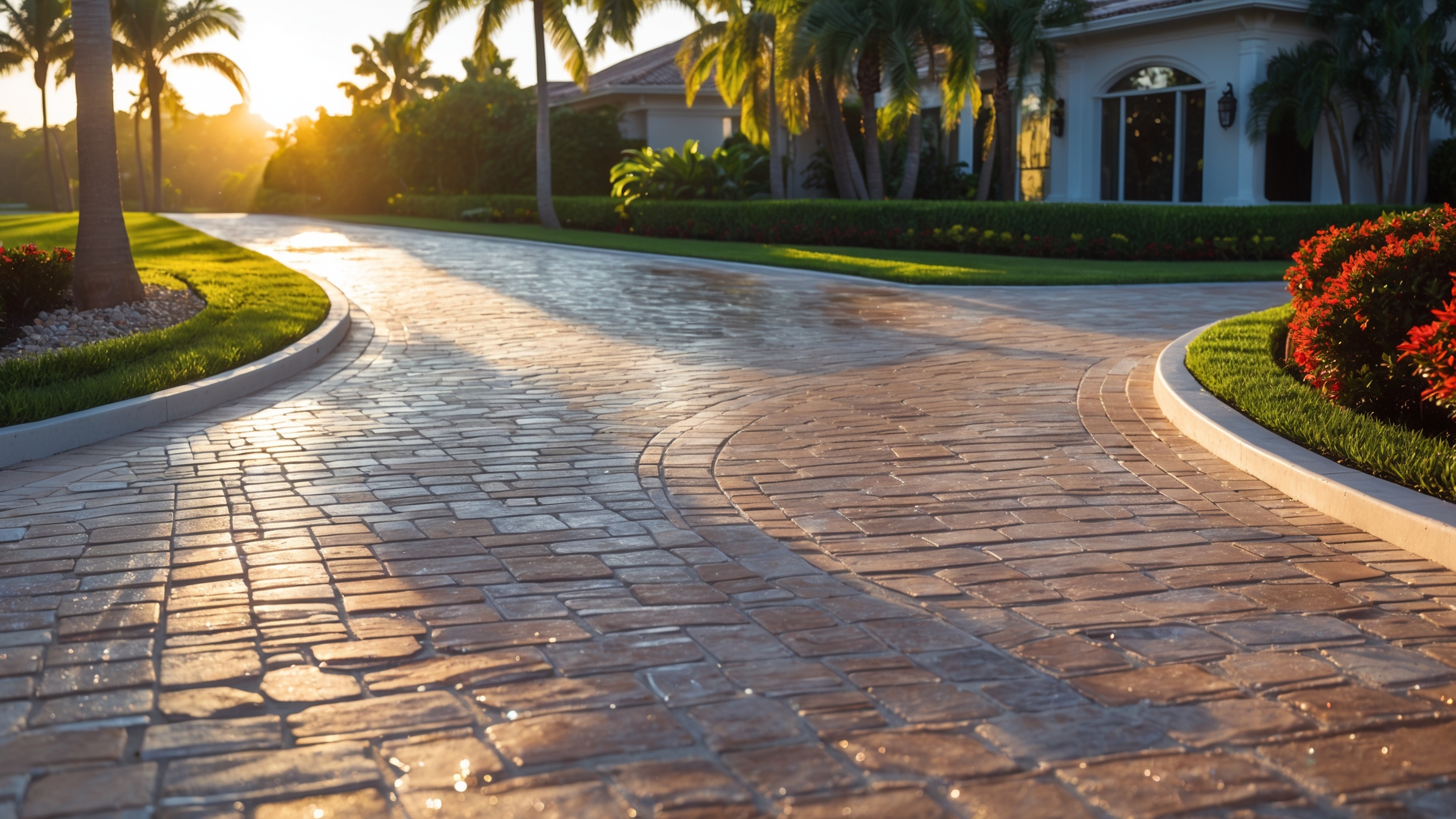
When planning a new driveway or patio, one question almost every Louisiana homeowner asks is whether concrete vs pavers is the better option. Both materials offer unique benefits, but the high heat, humidity and heavy rainfall common in Southern climates can influence which one performs best long-term.
Your outdoor spaces are an investment, so choosing the right material is essential for durability, appearance and maintenance
Why Climate Matters in the Concrete vs Pavers Debate
Louisiana’s climate brings strong sunlight, moisture, temperature swings and occasional flooding. These environmental factors directly affect driveway and patio surfaces.
Because of this, choosing between concrete vs pavers should be based on how each material performs in heat, humidity and wet conditions, not just appearance. Materials that crack, shift or retain moisture will require more repairs over time, raising costs and lowering curb appeal.
Understanding the Difference: Concrete vs Pavers
Before comparing long-term performance, it’s important to understand the basics of both materials.
Concrete Overview
Concrete is a poured surface that creates a smooth, seamless finish. It’s affordable and commonly used for driveways, walkways and patios. Many homeowners upgrade standard concrete using stamped concrete to create patterns and decorative textures.
Pavers Overview
Pavers are individual blocks made from concrete, clay or stone, installed piece by piece to create the full surface. They offer more design flexibility, better drainage and easier repair access.
How Concrete Performs in Hot, Humid Climates
Key Advantages and Limitations
Concrete is popular due to its affordability and clean look. However, Louisiana’s climate can create challenges without proper installation and reinforcement.
Advantages
- Cost-effective compared to pavers
- Smooth, modern appearance
- Can be enhanced with stamped concrete designs
- Strong enough for heavy vehicles
Limitations
- Prone to cracking from heat expansion
- Moisture can weaken the slab
- Harder to repair small damaged sections
- Can become slippery when wet
Over time, homeowners may need concrete crack repair solutions, especially in areas with heavy rainfall or shifting soil.
How Pavers Perform in Hot, Humid Climates
Pavers are known for durability, flexibility and resistance to cracking. Their interlocking system allows movement without breaking, which is especially beneficial during temperature changes.
Benefits of Choosing Pavers
- Excellent resistance to cracking
- Natural drainage between joints
- Easy repairs by replacing individual stones
- Cooler surface temperatures
- Longer lifespan than poured concrete
- Wide design options
Because of these strengths, many homeowners prefer pavers for durable outdoor flooring.
Cost Comparison: Cost of Pavers vs Concrete
For many homeowners, budget plays a major role in deciding between concrete vs pavers.
Understanding Installation Costs
- Driveway installation cost for concrete is typically lower because the material and labor are faster.
- Cost of pavers vs concrete is higher upfront due to the detailed installation process.
- However, pavers often have lower long-term maintenance expenses.
- Concrete may require sealing, patching and more frequent repairs, especially in humid climates.
Although pavers cost more initially, their lifespan and fewer repair needs often make them the better long-term investment.
Best Driveways for Hot, Humid Climates
Below is a bullet-point breakdown of which material works best in the South and why.
Best Choices for Louisiana
- Pavers for long-term crack resistance
- Concrete with proper reinforcement and sealing
- Permeable pavers for driveway drainage solutions
- Paver driveways for high visual appeal
- Concrete with cooling additives for heat reduction
Pavers generally outperform concrete in humid climates, making them one of the best driveways for Louisiana homeowners.
Maintenance Comparison: Concrete vs Pavers
Concrete Maintenance
- Regular sealing
- Occasional crack patching
- Pressure washing
- Potential resurfacing
Paver Maintenance
- Brushing joint sand
- Occasional leveling
- Basic cleaning
- Paver maintenance tips include removing weeds and refilling joints
Despite a bit of upkeep, pavers remain easier and cheaper to repair section-by-section.
Eco-Friendly Options
If sustainability matters, pavers often win. Permeable pavers allow water to seep through the joints, reducing runoff and improving drainage. These systems make an excellent eco-friendly driveway option.
Concrete can also be eco-friendly when mixed with recycled materials, but most homeowners choose pavers for stronger environmental benefits.
Final Thoughts
Choosing between concrete vs pavers depends on your budget, style preferences and long-term maintenance goals. However, in hot and humid climates like Louisiana, pavers generally provide better durability, superior drainage and more flexibility.
Concrete remains a good option when installed properly and maintained well, especially when enhanced with decorative finishes like stamped concrete.
If you want lasting performance and design versatility, pavers typically offer the best value for driveways and patios.
Frequently Asked Questions
Do pavers last longer than concrete?
Yes. Pavers typically have a longer lifespan, especially in humid climates where concrete can crack.
Is stamped concrete better than regular concrete?
Stamped concrete offers a decorative finish but does not change the material’s susceptibility to cracking. It is mostly an aesthetic upgrade.
Are pavers worth the higher upfront cost?
Yes. While pavers cost more initially, lower maintenance, fewer repairs and longer durability make them worth the investment.
Which option handles drainage better?
Pavers naturally provide better driveway drainage solutions, especially permeable paver systems.
Is concrete more affordable?
Concrete typically has a lower driveway installation cost, making it a budget-friendly option for basic projects.
Which holds up better in extreme heat?
Pavers generally perform better because they allow natural expansion, resist cracking and stay cooler than concrete, making them more reliable in hot climates.